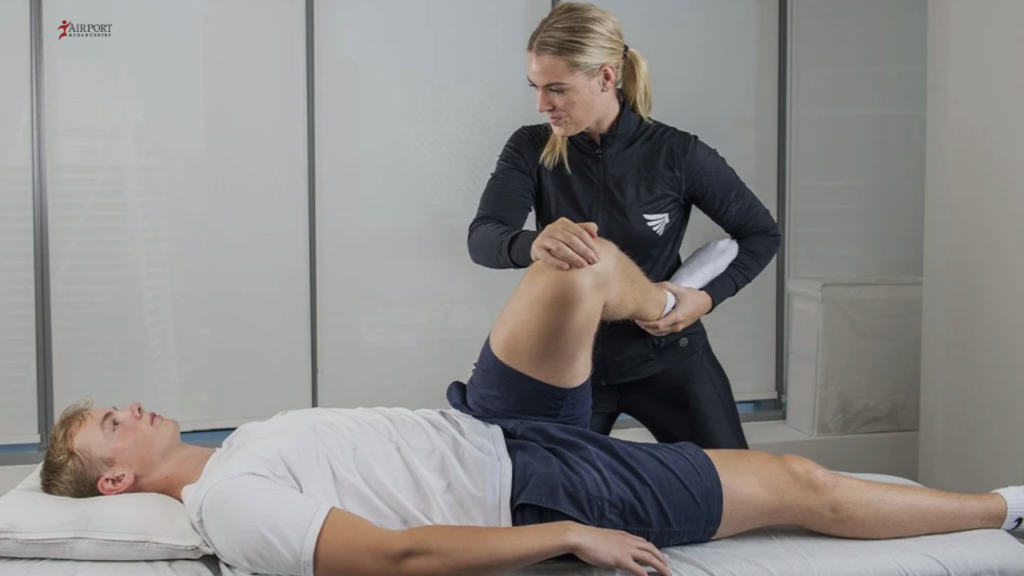
Let me walk you through a common scene. Your back has been bothering you for weeks, maybe months. You have tried resting it, stretching it, even ignoring it completely. Nothing seems to stick. You finally decide to see someone about it, but you are also nervous. What if they just rush you through some generic exercises and send you on your way? What if they do not really listen? This fear keeps a lot of people from getting the help they actually need. But here is the truth that changes everything. A proper physiotherapy assessment is not a quick once-over. It is a deep dive into your story, your movement, and your goals. It is the foundation upon which all real healing is built. At our airport rehab centre, we treat this first meeting with the respect it deserves. Because we know that how we start matters for how we finish.
What a Physiotherapy Assessment Actually Involves
Most people imagine an assessment as a simple check of where it hurts. You point, they press, and that is about it. But a thorough physiotherapy assessment goes far deeper than that. It starts with conversation, lots of it. Your therapist wants to know not just what hurts, but when it hurts, what makes it better, and how long this has been going on. They ask about your work, your sleep, your hobbies, your travel habits. All of this matters because your pain does not exist in a vacuum. It lives inside your whole life. Then comes the movement part. They watch you walk, bend, reach, and squat and look for the subtle compensations you have developed without even realizing it. They test your strength, your flexibility, and your balance. And then they use their hands to feel for tightness, swelling, or tenderness in specific spots. By the end, they have built a map of your body’s current state. And more importantly, they have started to understand why you are stuck.
The Movement Analysis: Watching How You Navigate the World
This part of the assessment can feel a little exposing at first. Your therapist asks you to perform simple movements while they watch closely. Walk across the room. Stand up from a chair. Reach your arms overhead. You might wonder what they are seeing that you cannot. The answer is a lot. They notice if you favor one leg when you stand and also see the way your shoulder hikes up when you lift your arm. They catch the slight limp you have learned to hide. These patterns are not right or wrong, good or bad. They are simply information. They tell us where your body has learned to compensate for weakness or stiffness. And they point us toward exactly what needs to be addressed in your treatment.
Building Your Personalized Roadmap
The true gift of a thorough assessment is what comes after. You do not leave with a generic handout of stretches that everyone gets. You leave with a plan built specifically for you. Your therapist explains what they found and what it means in plain language. They connect the dots between your habits and your pain. They show you why certain movements hurt and others feel okay. Then they lay out the path forward. This might include hands-on treatment to release tight areas. It will almost certainly include specific exercises designed to strengthen what is weak and stretch what is tight. It might involve advice about your luggage, your posture at work, or how you sit on a plane. Every piece of the plan flows directly from what we learned during your assessment. Nothing is random. Nothing is guesswork.
How an Assessment Prepares You for Travel
For our clients at the airport rehab centre, travel is often a major part of life. Your assessment helps us understand exactly how your body handles the demands of moving through terminals. We learn where your weak spots show up during long walks. We identify which positions make your back ache on a plane. And we figure out why lifting your bag into an overhead bin flares your shoulder. With this knowledge, we can prepare you better. We give you strategies to use before, during, and after your trips. Small adjustments that make a huge difference. Exercises you can do at your gate. Stretches that fit in an airplane seat. Packing tips that protect your spine. Your assessment becomes the blueprint for traveling well, not just surviving the journey.
The Partnership That Begins Here
Here is something I want you to really understand. A physiotherapy assessment is not something done to you. It is something done with you. You are an active participant from the very first moment. Your observations about your own body matter. Your instincts about what helps and what hurts are valuable data. The relationship that starts in that first meeting is a partnership. You bring your experience of living in your body every day. We bring our training and our eyes and our hands. Together, we figure out the way forward. At our airport rehab centre, this partnership is the heart of everything we do. We do not see ourselves as experts who hand down orders. We see ourselves as guides on your journey. You are the one doing the walking. We just help you find the clearest path.
Why Starting Here Saves You Time and Frustration
I know it can be tempting to skip the assessment and jump straight to treatment. You want relief, and you want it now. But rushing past this step almost always costs you more time in the end. Without a clear understanding of what is really going on, treatment becomes guesswork. You might try things that do not address your root problem. You might even do things that make you worse. A proper assessment prevents all of that. It ensures that every minute you spend in treatment is directed at the right target. It gives you confidence that the path you are on is the right one. At our airport rehab centre, we have seen this play out countless times. The clients who invest in a thorough assessment upfront are the ones who heal faster and stay well longer. It is not a delay. It is a shortcut.
Walking Into Your First Appointment with Confidence
If you are reading this and feeling that familiar mix of hope and hesitation, let me offer you some reassurance. You do not need to have all the answers before you walk through our door. Also you do not need to be in great shape or know the right words to describe your pain. You just need to show up. We will handle the rest. We will ask the questions. And we will watch and listen and learn. We will explain everything as we go so you never feel lost or confused. And when you leave, you will carry something you might not have felt in a long time. Clarity. A real understanding of what is happening in your body and a clear path forward. That is the gift of a proper physiotherapy assessment. That is where healing truly begins.