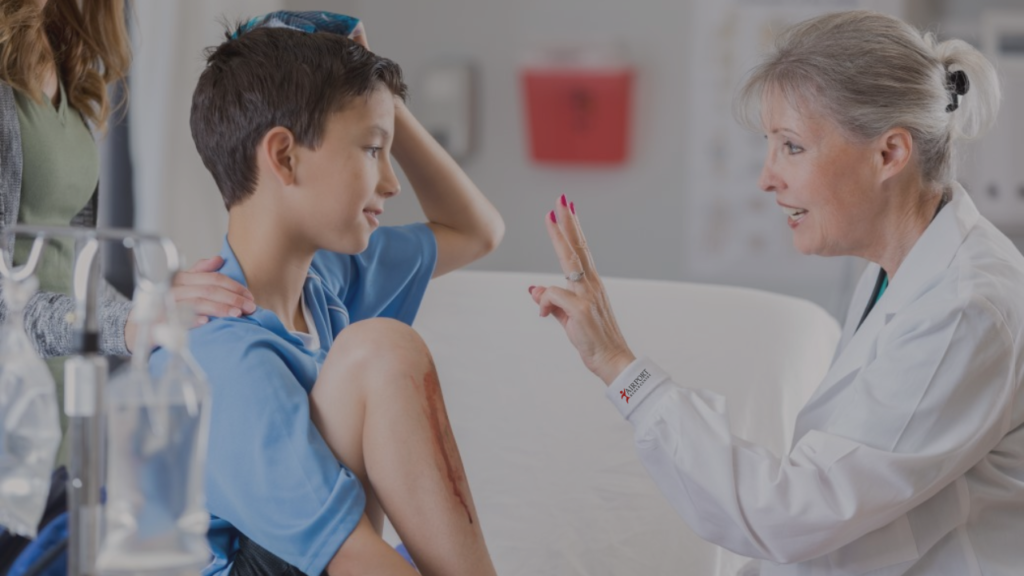
Let us talk about concussions. You probably know it is a head injury. Maybe you think of it as something that only happens to athletes who get knocked out on the field. But the truth is, concussions are very common. You can get one from a car accident, a fall at home, or even just bumping your head hard on a cabinet door. It happens more often than people realize. A concussion is more than just a bump on the head. It is an injury to your brain. Think of your brain as soft, like butter, floating inside your hard skull. When your head gets jolted or hit, your brain can slosh around and knock against the inside of your skull. This can cause a chemical change in your brain and stretch or even damage the delicate brain cells. This is why the effects can be so confusing and scary. At Airport Rehab Centre, we understand exactly what you are going through.
Why Proper Management is Everything
In the past, people were told to just rest in a dark room until they felt better. We now know that while rest is important at the very beginning, the best way to heal is through guided, active rehabilitation. This is called concussion management. Trying to push through a concussion or returning to normal life too quickly can actually make your recovery take much longer. It is like trying to run on a sprained ankle. You might be able to hobble along for a bit, but you are not actually healing. Without the right care, you risk developing post concussion syndrome, where symptoms can last for months or even years. This is not about being tough. It is about giving your brain what it actually needs to heal. The first few days after a concussion, rest is important. At Airport Rehab Centre, we will guide you through the right steps for your recovery.
What Does Concussion Management Involve?
This is where seeing a specialist makes all the difference. A clinic that focuses on concussion, like Airport Rehab Centre, will have a team of professionals who understand exactly how to help you. It starts with a very thorough assessment. They will not just ask about your headache. They will check your balance, your eye movements, how your neck is moving, and how your brain is processing information. Also they are looking for the root causes of your symptoms, not just the symptoms themselves. Then, they build a specific plan for you. This is not a one size fits all approach. Everyone’s concussion is different, so everyone’s recovery plan should be different. Your plan might include specific rest and pacing strategies, which means learning how to balance activity with rest without making your symptoms worse.
Different Types of Therapy for Concussion
Vestibular therapy is one important part of concussion management. If you are dizzy or feel like the room is spinning, this therapy retrains your brain and inner ear to work together again. It is very effective for that off balance feeling that so many concussion patients describe. Visual therapy is another key piece. If your eyes are struggling to focus, track a moving object, or shift from near to far, this helps retrain those small muscles and the brain connections that control them. Reading, screens, and driving can become much easier with visual therapy. Cervical neck therapy is also crucial because often a hit to the head also injures the neck. The whipping motion of an impact can strain the muscles and joints in your upper neck. Treating neck pain and stiffness is a huge part of fixing concussion symptoms, especially headaches. At Airport Rehab Centre, we offer all of these therapies under one roof.
More Types of Therapy for Concussion
Cognitive therapy is about gradually challenging your brain with memory, concentration, and thinking tasks to help it get back to normal. It is like physical therapy for your mind, slowly building up your stamina. You might start with simple puzzles or memory games, and gradually work up to more demanding mental tasks like reading, budgeting, or returning to work. A gradual return to activity is also a critical part of concussion management. This is a careful, step by step plan to safely return to school, work, exercise, and sport. You do not go from zero to full speed overnight. You progress through stages, only moving forward when you are ready. For example, you might start with light walking, then add light jogging, then more intense cardio, then sport specific drills, and finally full contact. At Airport Rehab Centre, we will guide you through each stage safely.
When to Seek Help
If you have hit your head and something feels off, do not wait. See a professional right away. Even if you think it is minor, even if you feel fine now, symptoms can show up days later. The sooner you get assessed, the sooner you can start the right treatment, and the better your chances of a full and quick recovery. You do not need to have a dramatic loss of consciousness to have a concussion. You do not need to have been in a high speed car crash or a professional football game. A simple slip on the ice, a bump on a low ceiling, a fall off a bike, these can all cause concussions. Trust your gut. If you feel off, get checked out. It is always better to be safe than sorry when it comes to your brain. At Airport Rehab Centre, we offer comprehensive concussion assessments to give you answers and a clear path forward.
The Bottom Line on Concussion Management
Healing from a concussion is a process. It requires patience, and that can be hard when you just want to feel like yourself again. But with the right guidance, you can help your brain heal properly and steadily get back to being you. The old advice of just resting in a dark room is no longer the standard. Active, guided rehabilitation is the best way to recover. This means working with professionals who understand concussions and can create a plan tailored to your specific symptoms and your specific life. If you or someone you know has had a bump to the head and just does not feel right, the best step is to seek out a professional who understands concussions. It is the most important thing you can do for a full and healthy recovery. Reach out to Airport Rehab Centre today. We are here to help you get back to the life you love.