Let me paint a picture that might sound painfully familiar to you. You wake up and take inventory of your body before you even get out of bed. How does your back feel today after that long flight through the airport? You have learned to check in with your body first thing every morning. Pain has become a morning ritual that you cannot seem to break. Maybe it started with an old injury that never quite healed right. Maybe it crept up from years of sitting at a desk or hauling luggage. This is where physiotherapy walks in to help you. It is not a magic wand, but a guided path back to the body you remember.
What Does Physiotherapy Actually Do for Your Body?
Physiotherapy is not just a list of stretches on a printed sheet of paper. It is a complete way to understand why your body hurts. A physiotherapist is part detective, part teacher, and part coach for you. They start by listening to your story and how pain affects your days. Do you stand all day at work or sit in a cramped chair? Do you carry a heavy bag on one shoulder when you travel? These details matter more than you think for finding the root cause. Then they watch you move and notice things you cannot see. By the end, they have a clear map of your body and a plan to help you heal for good.
What Happens During Your First Physiotherapy Visit?
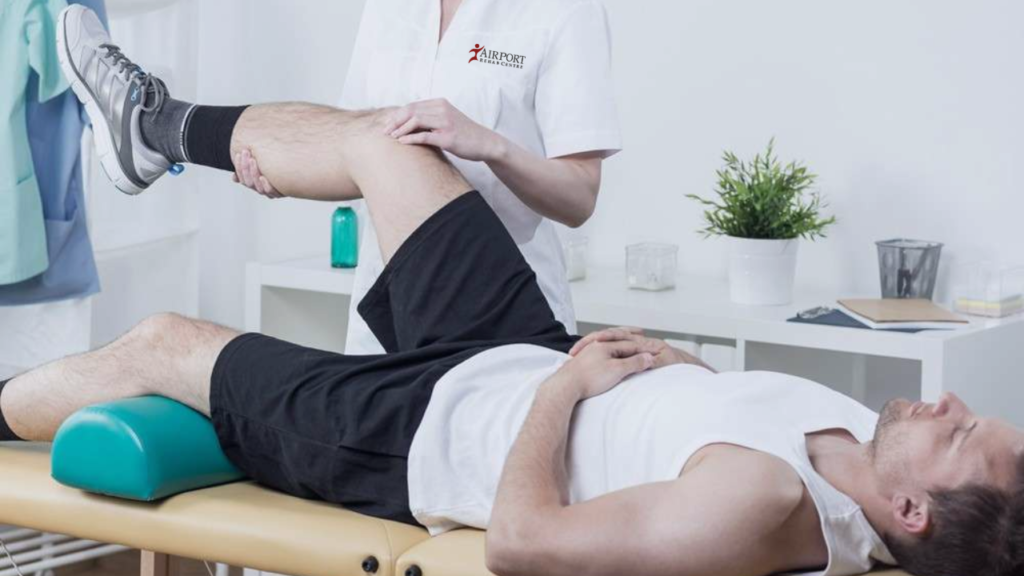
Walking into a physiotherapy clinic for the first time can feel a little scary. You might worry about being judged for letting things get so bad. Let me reassure you that a good therapist judges nothing at all. They will ask you to start from the beginning and tell your whole story. Tell them what happened, how it felt, and what you have tried. Then they will guide you through some simple movements to see how you move. Walk across the room and reach your arms up high. None of this is a test that you can possibly fail. It is just information gathering to help you get better faster. By the end, you leave with a real plan made just for you.
Where Does the Real Work of Physiotherapy Happen?
Here is something nobody tells you about physiotherapy before you start. The most important work does not happen in the clinic at all. It happens in your living room, your office, or between flights at the airport gate. Your therapist will give you homework, a few specific movements to practice each day. These are not random exercises pulled from a book somewhere. They are chosen to target your exact weaknesses and problem areas. Some days it might be as simple as standing up from a chair using only your legs. The quality of these movements matters more than the quantity you do. Your job is to show up for yourself between visits. That is where real change happens over time.
How Does Physiotherapy Help with the Mental Side of Pain?
Pain does not just live in your body, it lives in your brain too. When you have hurt for a while, your nervous system gets very protective of you. It tells your muscles to guard and stiffen up for safety. This is your body trying to help you, but it ends up limiting your life. A big part of physiotherapy is teaching your brain that it is safe to move again. You start with tiny, pain free motions that do not trigger fear. Success is not measured in how much weight you can lift. It is measured in confidence, the day you reach for something on a high shelf without holding your breath. Rebuilding trust in your own body is slow, personal work. Your therapist walks with you through it without rushing or judging.
Why Is Physiotherapy Important for Frequent Travelers?
If you move through airports regularly, your body faces unique demands every trip. Long walks between gates can flare up hips and knees that feel fine at home. Sitting in cramped seats for hours stiffens backs that need constant movement. Lifting heavy bags into overhead bins challenges shoulders that are not strong. The stress of travel makes pain feel even louder in your body. Physiotherapy at our airport rehab centre addresses all of these travel issues directly. We teach you strategies to use before, during, and after your trips. Small adjustments that make a huge difference in how you feel. Exercises you can do at your gate without looking strange. Stretches that fit in an airplane seat without bothering your neighbor. You learn to travel not just surviving, but arriving ready for what comes next.
What Results Can You Expect from Physiotherapy?
The list of what physiotherapy helps is long and might surprise you. Low back pain responds very well to this type of care. Neck stiffness often resolves with consistent work over several weeks. Shoulder issues improve with targeted exercises and hands on treatment. Knee pain can decrease significantly over time with the right plan. Even headaches and dizziness often trace back to issues physiotherapy addresses. The key to success is consistency with your appointments and home exercises. Showing up, doing your homework, and resting when you need to rest. Over weeks and months, small changes add up into big results. The pain becomes quieter and the fear becomes smaller. You start to trust your body again without thinking about it every moment.
What Is the Real Gift That Physiotherapy Offers You?
For some people, the finish line is running a marathon again one day. For others, it is kneeling in the garden to pull weeds without pain. And for many of our travelers, it is playing on the floor with their grandchildren without worrying how to get back up. Your goal is yours alone, and we respect whatever that goal is. Physiotherapy molds itself to what you want out of life. As you get stronger, the exercises shift to match your improving body. You learn how to lift groceries, sit at your desk, and stretch after a long drive. You leave with a new understanding of how to care for yourself every day. That quiet confidence is the real gift of physiotherapy at our airport rehab centre. Not just less pain, but more life, more freedom, and more of you showing up every single day.